
What changes first is your conduct, not your feelings.
जो तुम्हें ठीक करना है, वह तुम्हारा व्यवहार है, तुम्हारी भावना नहीं।
His answer to devotees waiting for an experience. The first real result is a widening gap between something happening and your reaction to it, and the people around you usually notice it before you do.
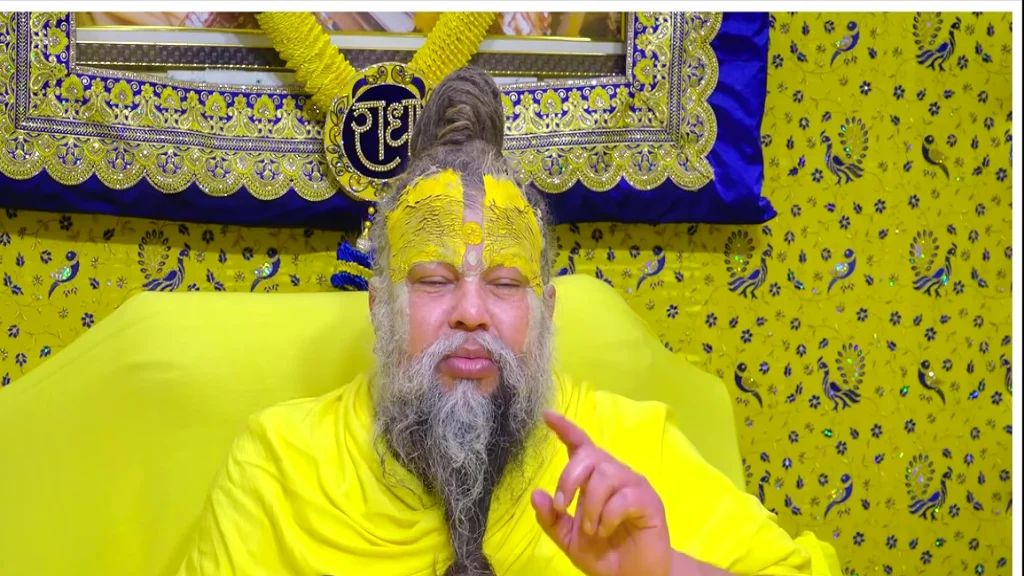
Conduct changes before feeling does
People measure their practice in the wrong currency, and he corrects it whenever the complaint comes up. Devotees look inward for evidence, find no new warmth, and conclude that months of chanting have produced nothing. He redirects them outward. The first change is almost never in what you feel. It is in what you do, and it shows up in places you were not watching.
The examples he gives are small enough to sound disappointing. A reply not sent. An argument that ended two sentences earlier than it would have last year. Somebody at home noticing that you have become easier to live with. None of these register as spiritual experience, which is exactly why they are missed, and they are the actual evidence.
The logic follows from what the practice is doing. The naam is displacing material the mind used to run on, and much of that material was fuel for reaction: the grievance being rehearsed, the reply being drafted, the account being kept. Take some of it away and reactions arrive slower and smaller. Feeling is a further and slower consequence, and it arrives on no schedule.
Living with this saying
He warns specifically against auditing yourself for emotion, because the audit is destructive in itself. A devotee checking each session for signs of devotion is spending the session as an observer, and a practice under continuous assessment cannot settle. He tells people to stop grading and simply continue, and to let other people notice the difference first, which they usually do.
There is an honest limit here that he does not hide. Some devotees find warmth early and easily and others chant for years with very little of it, and he does not claim this tracks sincerity or effort. Temperament differs. What he claims is that conduct responds regardless, and that a person whose behaviour has improved while feeling nothing has still received the substance of it.
What it asks of you is to change the instrument you measure with. Stop asking whether you felt anything today. Ask instead whether anything you did this week would have gone differently a year ago, and if you cannot tell, ask the people you live with, who can. That is where the result appears first, and it is the result that matters most to everyone around you.
A saying, not a certified transcription: a short statement of a position he has taken consistently in public satsang.
Questions about this saying
What does Premanand Ji Maharaj mean by “What changes first is your conduct, not your feelings”?
His answer to devotees waiting for an experience. The first real result is a widening gap between something happening and your reaction to it, and the people around you usually notice it before you do.
What is this saying in Hindi?
जो तुम्हें ठीक करना है, वह तुम्हारा व्यवहार है, तुम्हारी भावना नहीं।
Is this an exact quotation?
No. It is a short statement of a position he has taken consistently in public satsang, not a certified transcription of one recording.
Where can I hear him speak about this?
His satsang is recorded and published on the official channels. This site is an independent devotee site and is not connected to the ashram.