
Do not hand the mind the problem. Hand it the name.
मन को समस्या मत दो, नाम दो।
Why he teaches substitution rather than suppression. An untrained mind will chew on whatever it is given, so give it something worth chewing.
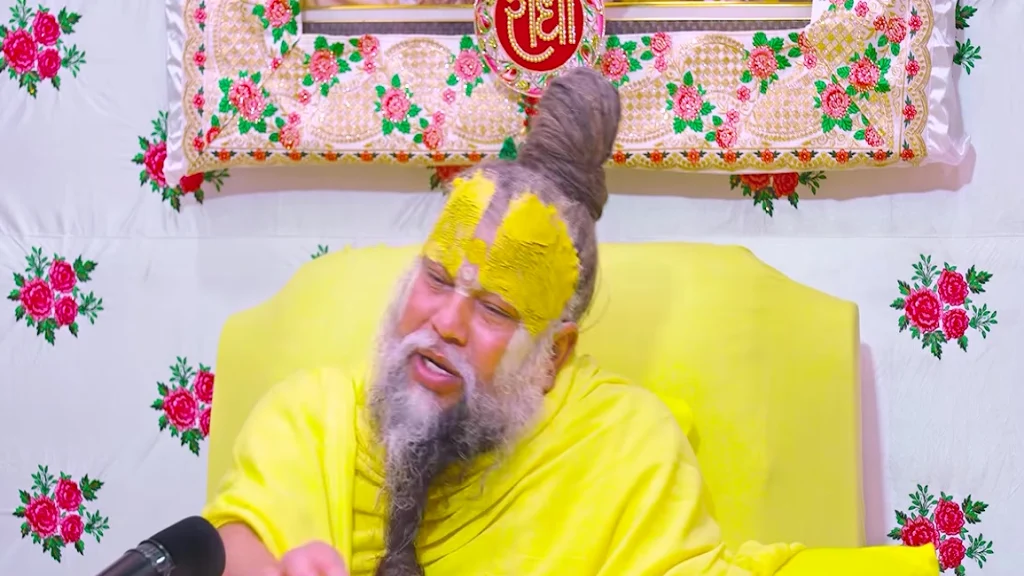
Choose what you hand the mind at night
This is the same teaching as the untrained mind, brought down to the hour where it does the most damage. At two in the morning nobody is supplying the material except you. The mind takes what it is given and works it, tirelessly, without any ability to decide the subject is finished, and what it was given was the problem.
He points out that the handing over is usually unconscious and usually happens earlier than the sleeplessness. The problem was picked up at nine in the evening, turned over during dinner, carried to bed, and by the time you are awake at two the mind has simply continued the job it was set. Blaming it at that point is blaming a machine for running.
The instruction is a substitution, not a suppression, and he is careful about the difference because the difference decides whether it works. Telling yourself to stop thinking about the thing is still handing over the thing, now with an instruction attached. Attention aimed at not-X is attention on X. The mind cannot be given an absence; it can only be given something else.
Living with this saying
He is realistic about the first several attempts. You will hand over the name, the mind will hold it for a short while, and then you will find the problem back in your hands without any memory of picking it up. That is not failure. Noticing that it happened is the whole of the skill, and the interval between the drift and the noticing shortens over months rather than days.
The practical case for doing this at night is that nothing useful is available at that hour anyway. No decision made at two in the morning is a good one, no problem has ever been solved during that particular kind of rehearsal, and the only reliable product of the exercise is a worse next day. Nothing is being sacrificed by declining the work.
What it asks of you is a decision made earlier in the evening than the crisis. Notice what you are carrying to bed and set it down before the room is dark, and when you find yourself awake with it anyway, do not analyse how it got there. Take the name, let the mind hold that instead, and leave the problem for a daylight hour that can actually do something with it.
A saying, not a certified transcription: a short statement of a position he has taken consistently in public satsang.
Questions about this saying
What does Premanand Ji Maharaj mean by “Do not hand the mind the problem. Hand it the name”?
Why he teaches substitution rather than suppression. An untrained mind will chew on whatever it is given, so give it something worth chewing.
What is this saying in Hindi?
मन को समस्या मत दो, नाम दो।
Is this an exact quotation?
No. It is a short statement of a position he has taken consistently in public satsang, not a certified transcription of one recording.
Where can I hear him speak about this?
His satsang is recorded and published on the official channels. This site is an independent devotee site and is not connected to the ashram.