
Shri Radha Sudha Nidhi, shloka 83
Verse 83 of the Shri Radha Sudha Nidhi, the Sanskrit hymn to Shri Radha by Shri Hit Harivansh Mahaprabhu, founder of the Radhavallabh Sampradaya. Below: the verse in Devanagari, in English letters, and what it says.
The verse in full
अलं विषयवार्तया नरककोटिबीभत्सया
वृथा श्रुतिकथाश्रमो बत बिभेमि कैवल्यतः ।
परेशभजनोन्मदा यदि शुकादयः किं ततः
परं तु मम राधिकापदरसे मनो मज्जतु ॥ ८३ ॥
In Roman letters
alam vishayavaartayaa narakakotibeebhatsayaa
vrithaa shrutikathaashramo bata bibhemi kaivalyatah
pareshabhajanonmadaa yadi shukaadayah kim tatah
param tu mama raadhikaapadarase mano majjatu
What it means
Enough talk of worldly things, as repellent as millions of hells. Study of scripture alone is wasted effort, and I fear the liberation that dissolves the self. If Shuka and others are mad with devotion to God, so be it; let my mind sink only into the joy of Radhika's feet.
Things devotees often ask about

Radha Kripa Kataksh Stotra, Arth Sahit
A small paath book with the stotra and its Hindi meaning, easy to keep on the home altar.

Tulsi Japa Mala, 108 Beads
A plain tulsi mala with 7 mm beads, the size most people find comfortable for daily japa.
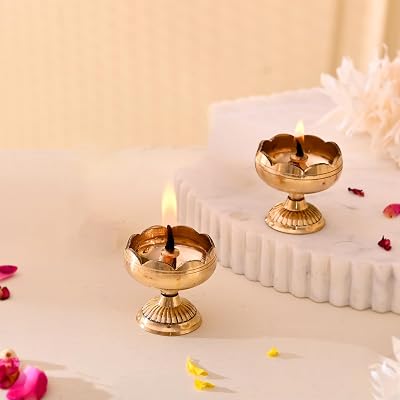
Brass Lotus Diya, Set of 2
Two small lotus-shaped brass diyas for the home mandir, for daily aarti or deep daan.
As an Amazon Associate we earn from qualifying purchases; your price does not change. None of this is needed for the practice, and none of it is connected with Maharaj Ji or the ashram. See all items
Questions about shloka 83
What does Radha Sudha Nidhi shloka 83 mean?
Enough talk of worldly things, as repellent as millions of hells. The full meaning is given above, under the verse.
How is shloka 83 pronounced?
In English letters: alam vishayavaartayaa narakakotibeebhatsayaa / vrithaa shrutikathaashramo bata bibhemi kaivalyatah / pareshabhajanonmadaa yadi shukaadayah kim tatah / param tu mama raadhikaapadarase mano majjatu
Who wrote the Radha Sudha Nidhi?
Shri Hit Harivansh Mahaprabhu, founder of the Radhavallabh Sampradaya, the tradition into which Premanand Ji Maharaj took diksha. It is a Sanskrit stotra of about 270 verses addressed to Shri Radha.
Where is this text taken from?
We typeset it ourselves and checked every verse against a 1950 Radhavallabh edition in the public domain. Where copies differ, that edition's reading is used.