
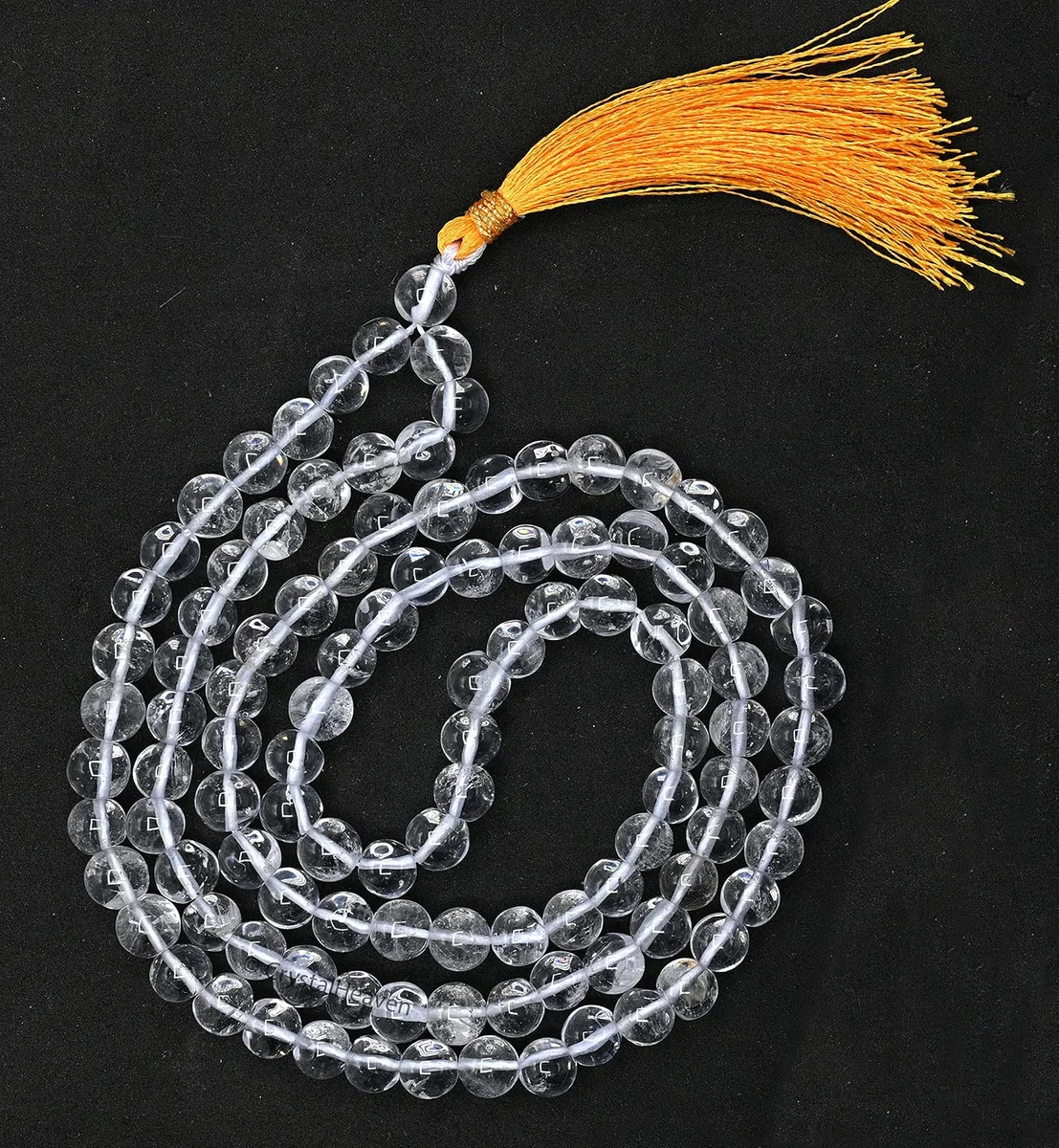
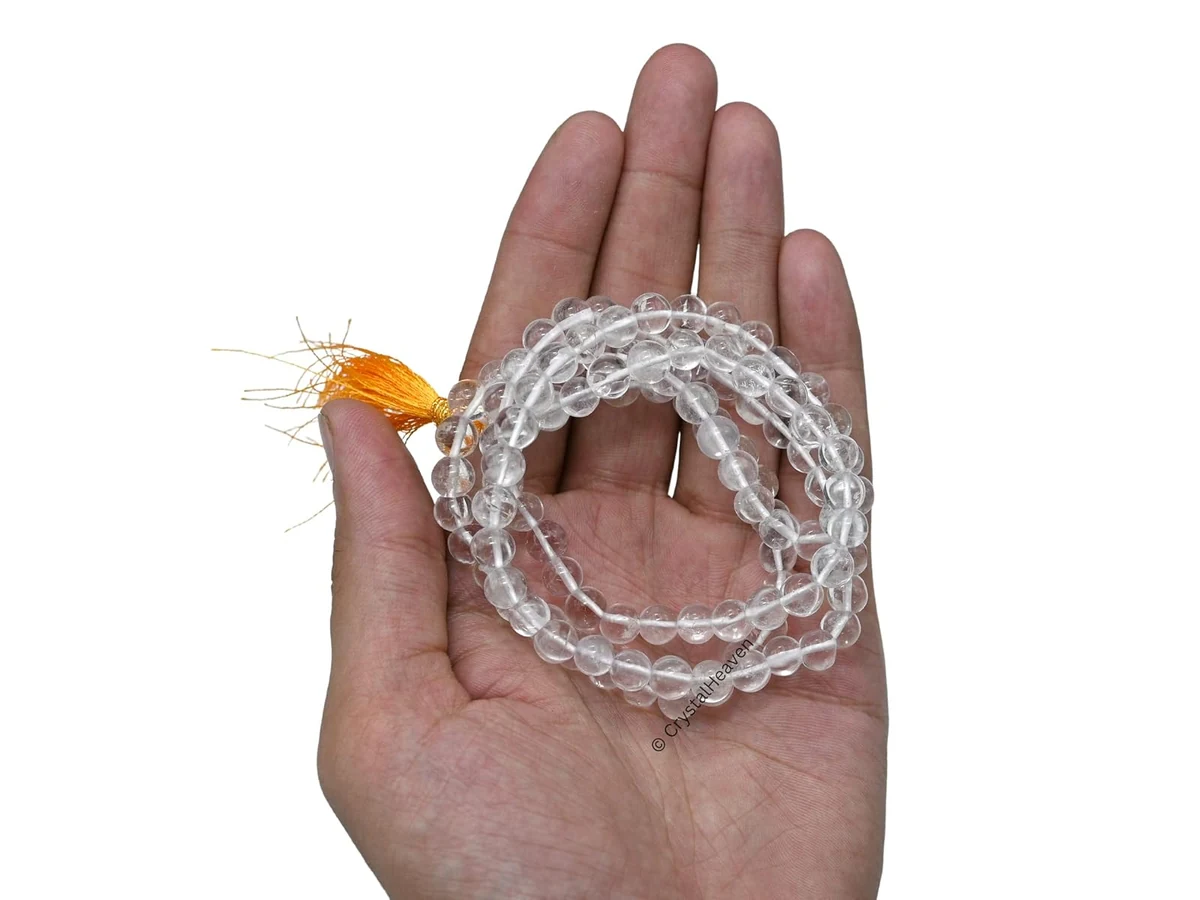
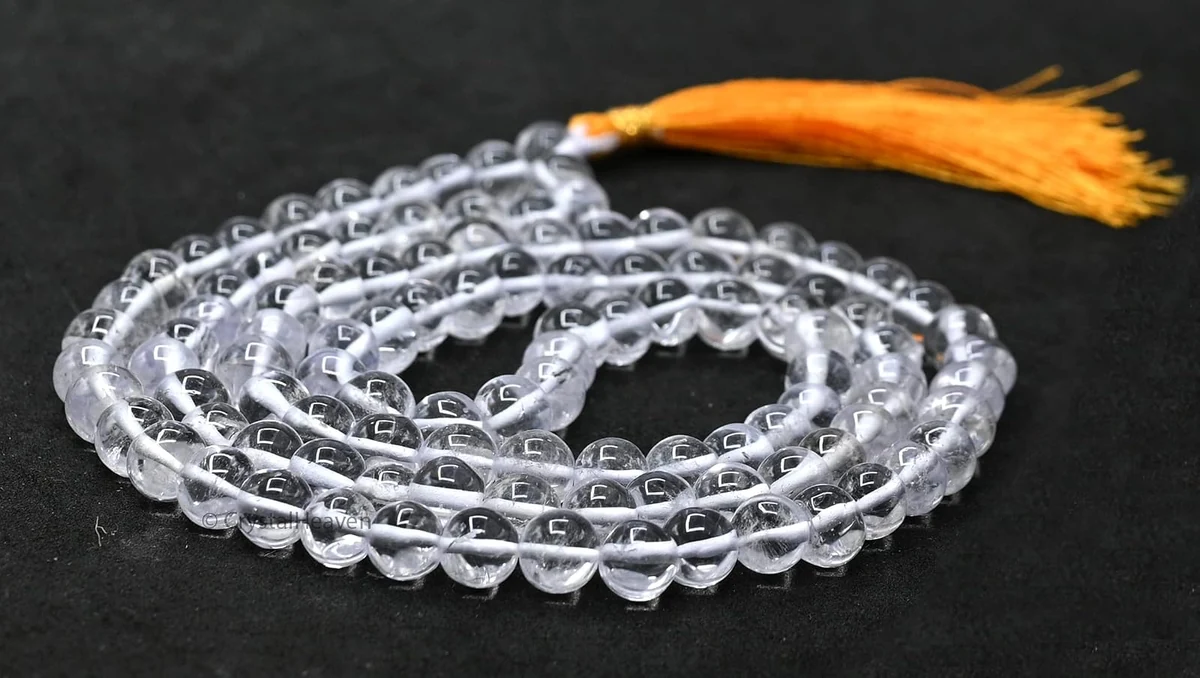
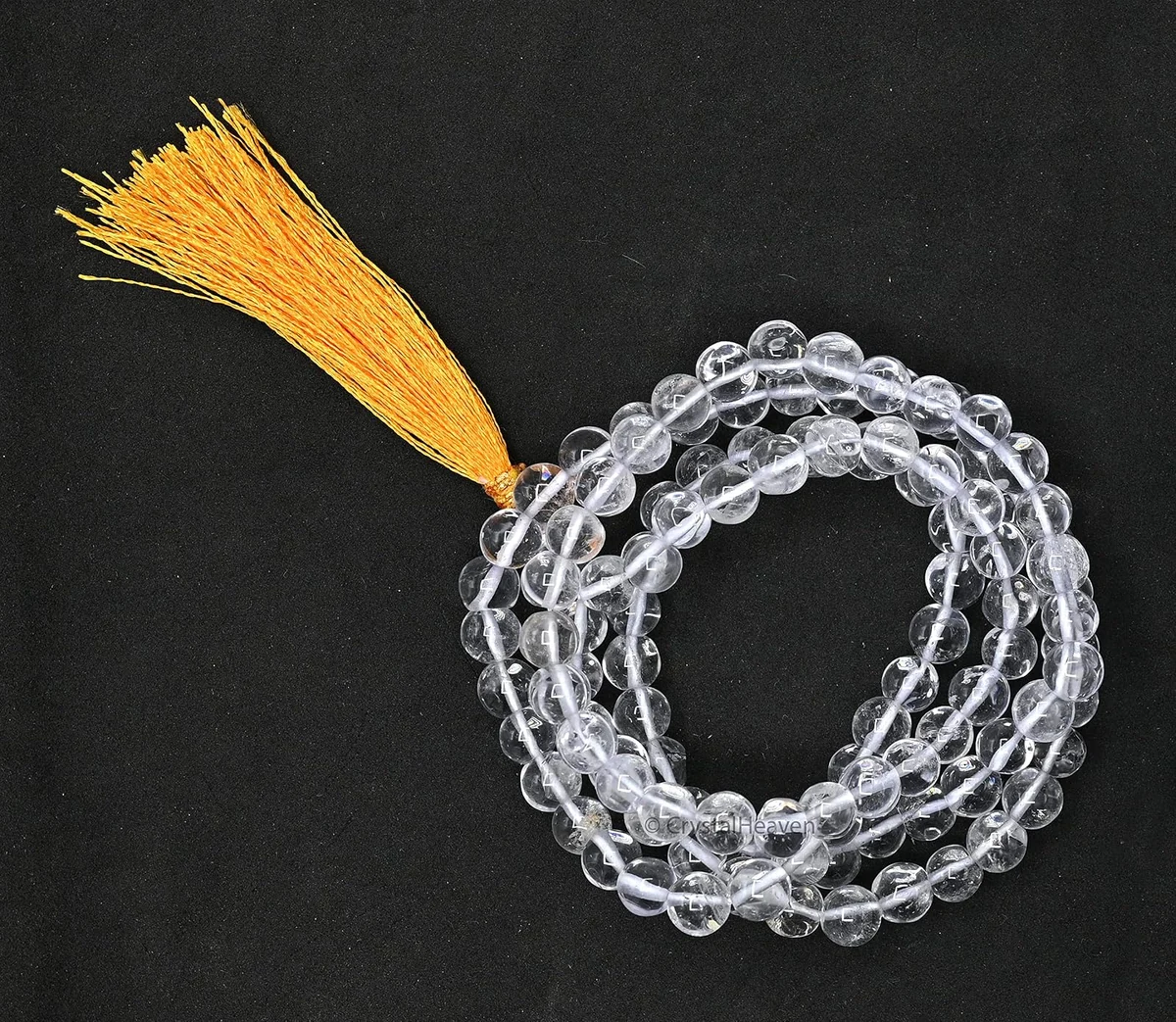
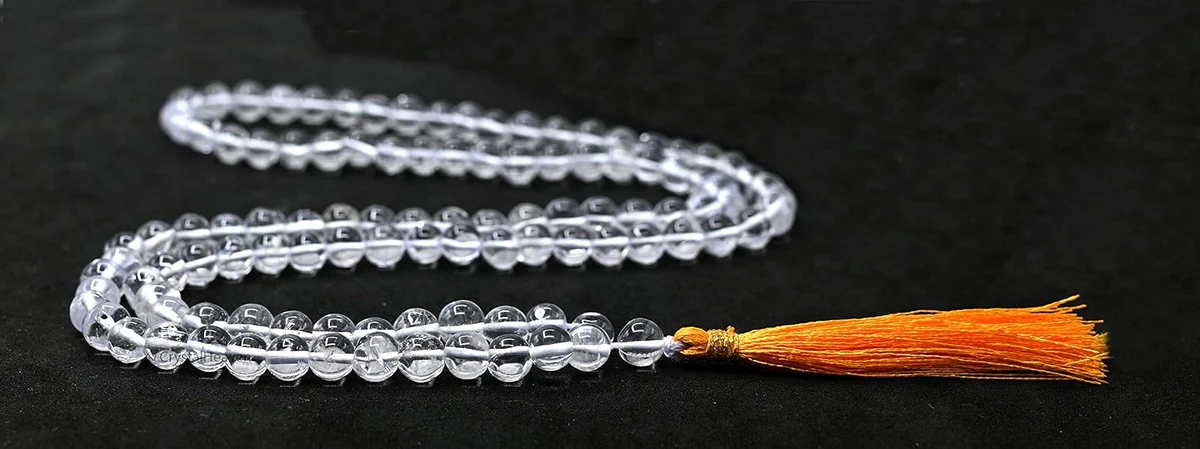
Sphatik mala, 7 mm, 18 inch
स्फटिक माला, 7 मिमी, 18 इंच
The middle size, and the one most people settle on: 7 mm round quartz beads making an eighteen inch loop at about eighty grams. Big enough to hold, small enough to keep a rhythm.
- Bead size
- 7 mm
- Length
- About 18 inches
- Weight
- About 80 g
- Material
- Clear quartz
About this sphatik mala
Seven millimetres is the size that most people arrive at after owning something else first. It is large enough that each bead is a distinct object between finger and thumb, and small enough that a full round does not become an endurance test. The eighteen inch loop hangs at about the chest if worn, and coils comfortably into a cupped palm if not.
Weight is around eighty grams, which is four times the small strand and about two thirds of a heavy ten millimetre rudraksha one. In the hand it registers as present without being tiring, and that is precisely why it is the default. Anyone unsure which size to buy and unable to handle one first will be right more often with seven millimetres than with either extreme.
The listing grades the quartz, which is worth understanding. Sphatik is sold in grades based on clarity, and lower grades contain more clouding, more visible internal fractures and more variation between beads. That is a cosmetic scale, not a functional one: a cloudy bead counts exactly as well as a clear one, and the price difference between grades buys appearance. Some people actively prefer the slightly milky look of lower grade stone, since it reads as natural rather than manufactured.
The listing also says the stone is natural and that the strand you receive will be similar rather than identical to the photograph. That is an honest disclosure and it is how natural stone works. Expect variation in clarity and in the pattern of inclusions from bead to bead; an order that arrives perfectly uniform is more suspicious than one that does not.
Quartz is used across the Indian traditions without belonging to any one of them, unlike rudraksha, which is Shaiva. The bead specific to Braj, and to the Radhavallabh line Maharaj Ji stands in, remains tulsi, so anyone trying to follow the Vrindavan pattern exactly should buy tulsi for naam japa. A sphatik strand alongside it is a perfectly ordinary thing to own and nothing is compromised by having one.
Middle sizes are unglamorous and they are usually right. Seven millimetres is the strand people settle on after buying something too small to hold or too large to sit with, and settling is not a failure. If you have never owned a counting mala and cannot handle one before buying, this is the size least likely to end up unused. That is the whole recommendation this page is prepared to make, and it is about ergonomics rather than about anything more elevated.
What to look for before buying
Understand what the grade is telling you. Sphatik grades describe clarity: how clear the stone is, how many internal fractures show, how consistent the beads are with each other. A lower grade is cheaper because it looks less like glass jewellery, not because it counts worse. Decide whether you are buying for appearance or for use, because for use the grade barely matters and the money is better spent on drilling and stringing quality.
Natural stone should not match perfectly. Genuine quartz varies from bead to bead in clarity and in the little clouds and hairlines inside it. A strand where every bead is identically clear, with the occasional perfectly round bubble, is moulded glass. Ask for a photograph of the actual strand if the seller offers, and look for variation rather than fearing it.
Measure eighteen inches against something real. Eighteen inches is the loop length, not the drop, so worn it will sit roughly at mid chest and doubled it will be too tight for most adults. Lay a tape or a piece of string out before ordering if the way it hangs matters to you. Bead count and loop length are different specifications and a strand cannot be altered to fit afterwards.
Keeping it, and where it sits
Plain cool water and a soft cloth are all it ever needs, and unlike a seed mala it can be washed as often as you like. Avoid hot water and sudden temperature changes, because quartz with an internal flaw can crack from thermal shock, and a mala that has just been in a warm hand should not go straight under a cold tap in winter.
Middle sized beads on a moderate thread are the easiest kind of mala to keep, but the thread still wears. Check where the thread enters the drill holes every few months and look for fuzzing or thinning, particularly near the sumeru where the mala is turned most often. Restring when you see it rather than when it parts.
Eighty grams of quartz will break a fall badly. Keep the strand off hard floors, restring over a bed or a towel, and do not hang it anywhere it can swing against a wall. Quartz resists scratches almost indefinitely and chips very easily, which is the opposite of how most people assume stone behaves.
A cloth pouch is worth the small cost. It keeps grit out of the holes, stops the beads knocking against metal, and keeps the strand in one place. Malas that live in pouches get used; malas that live loose in drawers get tangled, then forgotten.
None of this is required. What Maharaj Ji actually asks for is set out on the teachings page, the sayings he repeats most are on the quotes page, and the stotras are free to download as PDFs. If you are planning to visit Vrindavan, read how to meet Maharaj Ji first.
Also worth reading: darshan timings in Vrindavan , and what he says about japa.
Questions about buying this
What size sphatik mala should I buy?
Seven millimetres suits most people. Smaller beads count faster and suit long sittings; larger ones are easier to hold and slow the rhythm down.
What do sphatik grades mean?
They describe clarity and consistency, which is appearance rather than function. A lower grade bead counts exactly as well and costs less.
Why does the seller say the mala will only be similar to the photo?
Because natural quartz varies. Every strand differs slightly in clarity and inclusions, and a perfectly uniform one would be more likely to be glass.
How long is an 18 inch mala when worn?
It is the loop measurement, so it hangs to roughly mid chest on most adults and is generally too short to wear doubled.
Can I wash a sphatik mala?
Yes, in plain cool water. Stone does not swell or degrade the way seed and wood do, which makes it the easiest mala material to keep clean.
Is a mala necessary for naam japa?
It is not. Nothing is required. A mala is a tool for keeping count, which some people find useful and others never touch.
Is this connected with Maharaj Ji or the ashram?
No. It is not supplied by, authorised by or endorsed by Maharaj Ji or Shri Hit Radha Keli Kunj. It is an ordinary devotional item sold by other people on Amazon, listed here because a devotee might want one.
Do you sell it?
No. The button on this page takes you to Amazon. Amazon takes the payment, ships the order and handles returns and warranty. We hold no stock, never see your payment details, and cannot change or cancel an order.
Is the price on this page current?
It is the price we last saw on Amazon, with the date beside it. Amazon changes prices whenever it likes, so treat the figure here as a guide and the price on the Amazon page as the real one.
Do you make money if I buy it?
Yes. As an Amazon Associate we earn from qualifying purchases. Your price is exactly the same whether you use our link or not; Amazon pays the commission out of its own margin, and that commission is what keeps this site free to read.
Do I need this to follow the teachings?
No. Maharaj Ji asks for the Radha naam and nothing else, with no initiation, no fee and no equipment. Anything on this page is convenience, never a requirement, and he is explicit about that in satsang.
Also for daily japa
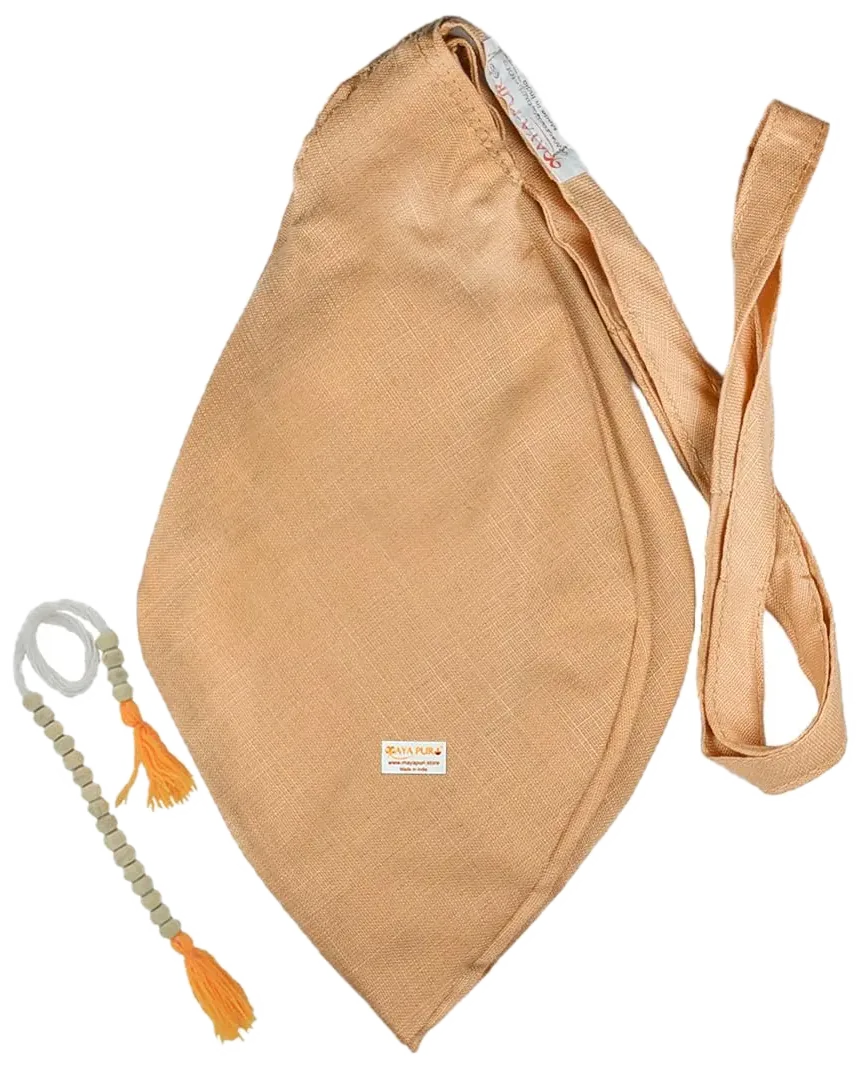
Gomukhi japa bag with counter
गोमुखी जप थैली, काउंटर सहित
₹269
A cotton bag that keeps the mala clean and lets you chant without taking it out.
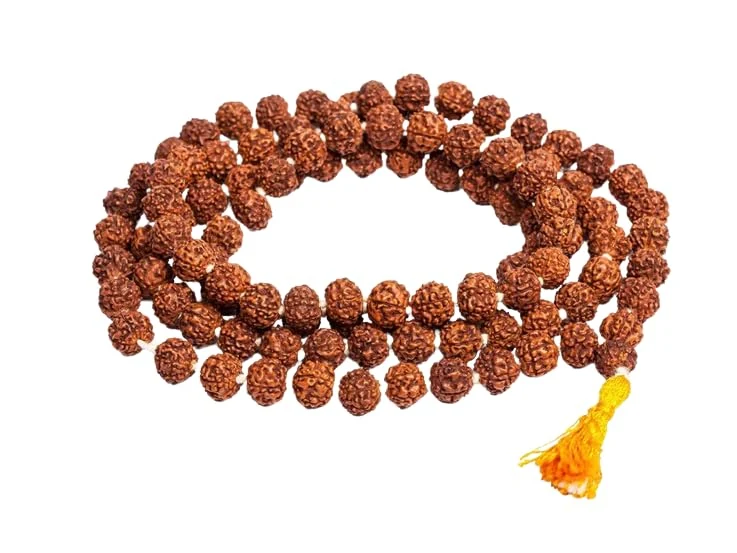
Rudraksha mala, 5 mm, 108 beads
रुद्राक्ष माला, 5 मिमी, 108 दाने
₹999
Small 5 mm panchmukhi beads on a 108 bead strand, light enough to count all day.
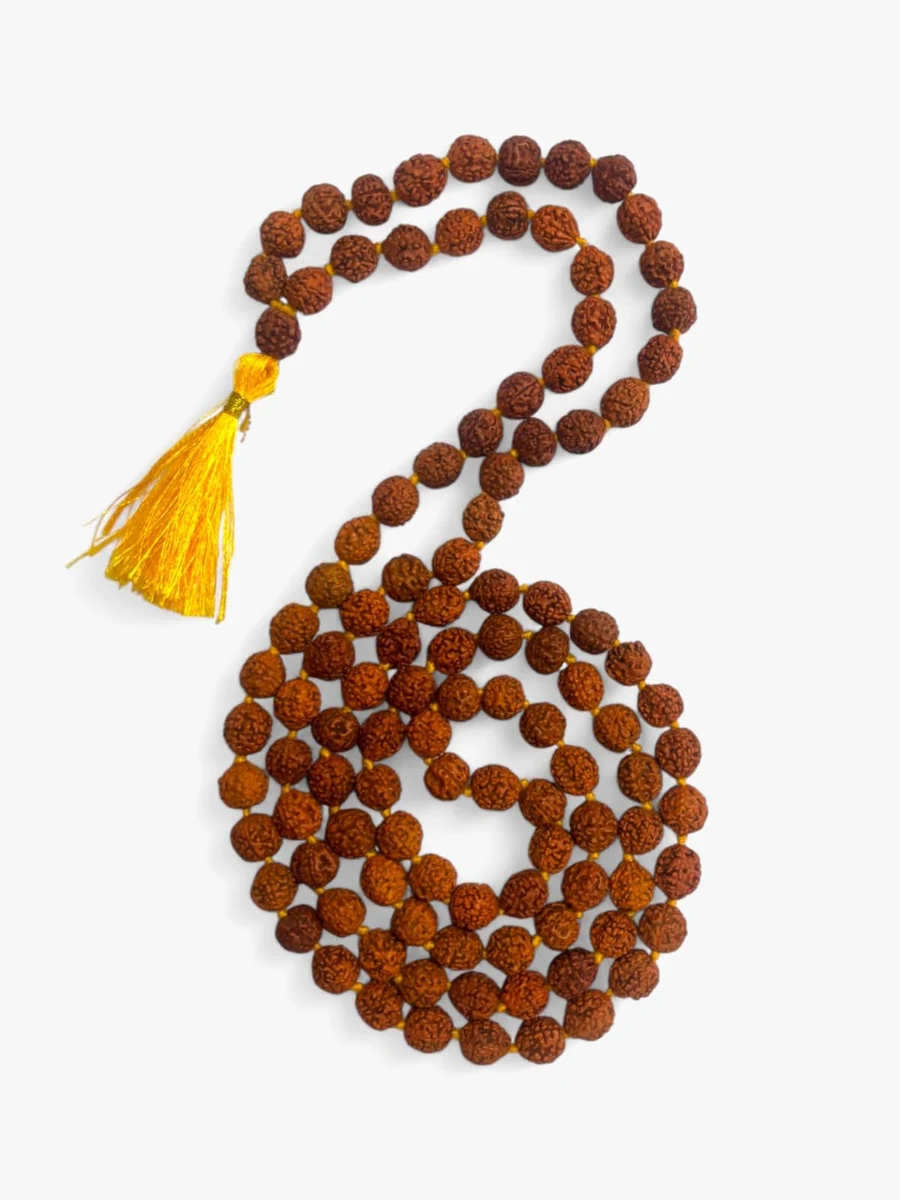
Nepali rudraksha mala, 10 mm
नेपाली रुद्राक्ष माला, 10 मिमी
₹299
Large 10 mm Nepali beads, 109 in all, at about fifty grams on the hand.